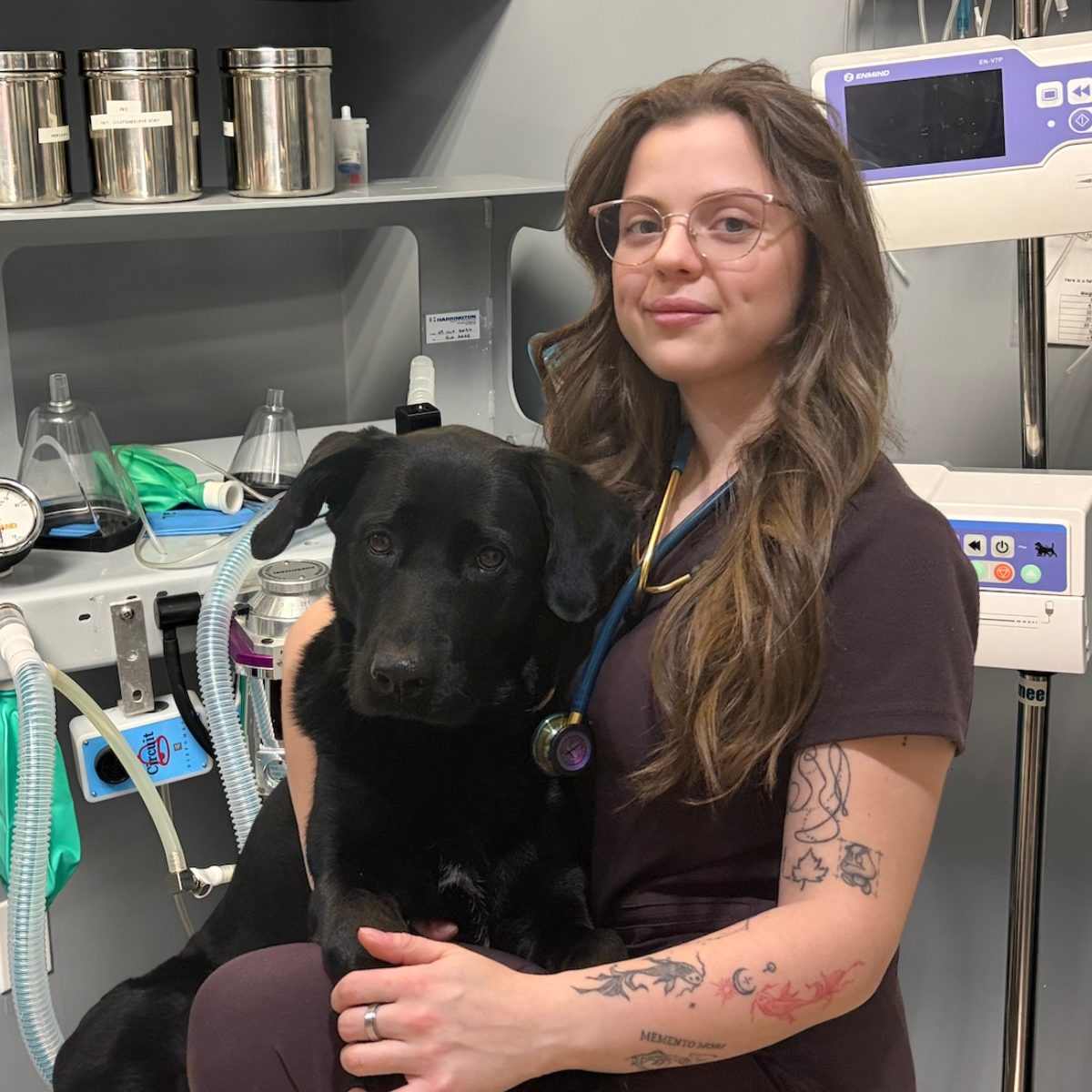

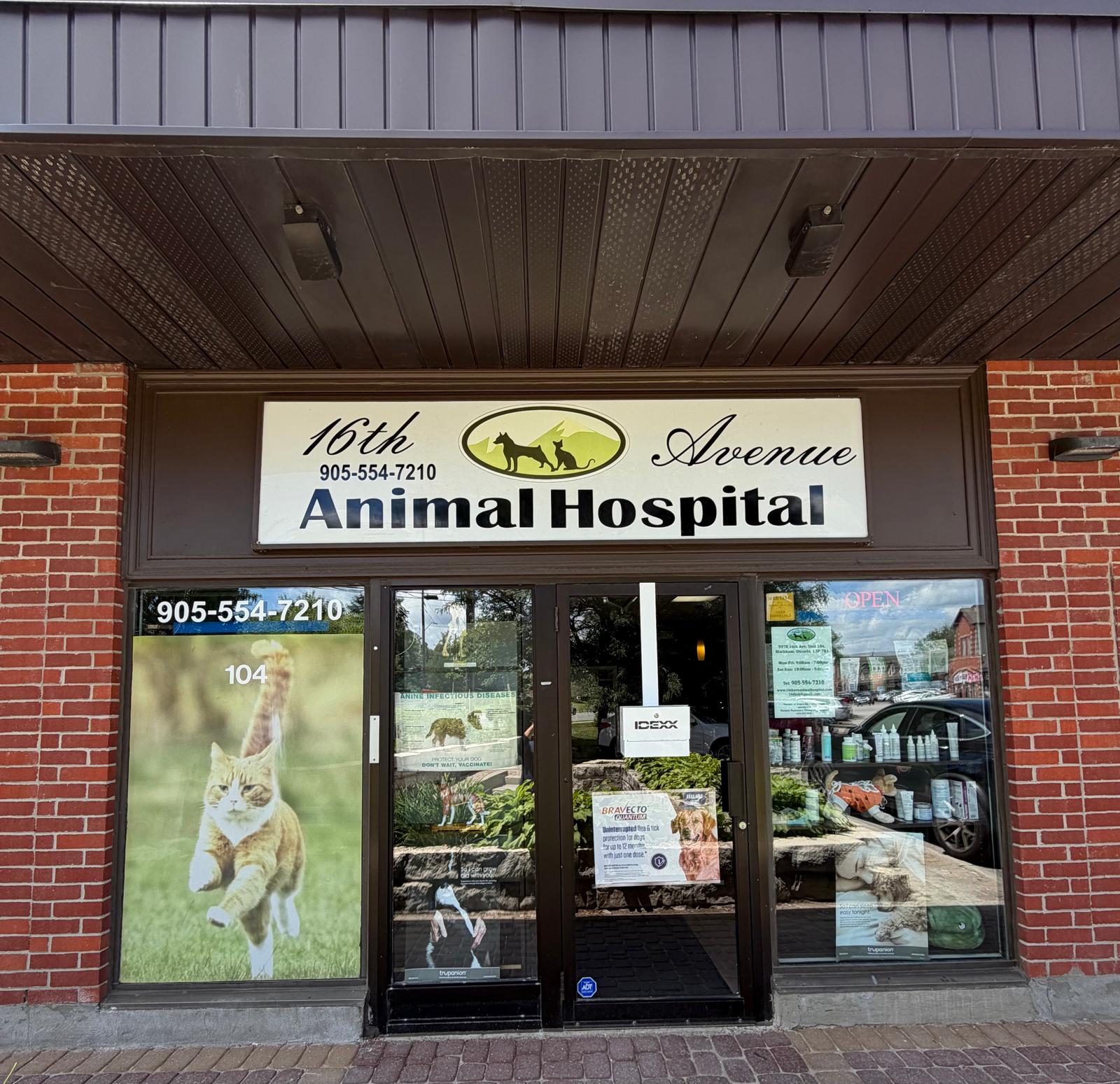
At 16th Avenue Animal Hospital, we provide warm, professional care for pets and the families who love them. From wellness visits to urgent care, our locally and privately owned clinic is here to keep your companions healthy, safe, and happy.
In Ontario, you pay for an exam with vaccines because veterinarians are legally and professionally responsible for ensuring your pet is healthy enough to receive them. An exam meets the College of Veterinarians of Ontario (CVO) requirement for a valid Veterinarian-Client-Patient Relationship (VCPR), confirming the vaccine is safe and necessary. Veterinarians require a physical exam before vaccinations to ensure your pet is healthy enough to mount an immune response and to comply with legal and ethical requirements for prescribing medication. This check ensures the vaccine won't jeopardize your pet’s health, as vaccines should only be given to healthy animals.
Our veterinarians will always strongly recommend core vaccines for both dogs and cats. Rabies vaccination is legally mandated in Ontario for dogs and cats. Besides ‘core’ or legally required vaccinations, there are also essential vaccines and those based on lifestyle. Cats For cats, Feline Distemper (FVRCP) is essential and protects against Feline Viral Rhinotracheitis (herpesvirus), Calicivirus, and Panleukopenia (feline distemper). Feline Leukemia Virus (FeLV) is based on lifestyle and recommended for cats that go outdoors or interact with other cats. 16th Avenue Animal Hospital Cats - Vaccine Schedule Dogs Core vaccines for all dogs include Parvovirus, Distemper, Adenovirus (Hepatitis), Leptospirosis, and legally mandated Rabies. DA2PP and Leptospirosis, often combined, protect against highly contagious and fatal diseases and against exposure to wildlife, farm animals, or urban areas with rats. Bordetella, a vaccine that protects dogs from highly contagious kennel cough, is lifestyle-dependent and recommended for dogs that socialize, go to groomers, or board. The Lyme vaccine for dogs is a recommended preventative for dogs in or travelling to high-risk, tick-endemic regions, helping stimulate antibodies that kill Borrelia burgdorferi bacteria. The Lyme vaccine is not a substitute for tick preventatives but acts as a second layer of defence, as it can take time for a tick to transmit the bacteria. 16th Avenue Animal Hospital Dogs - Vaccine Schedule Lastly, the canine influenza vaccine is recommended in Canada for dogs at high risk of exposure to the virus, particularly if they socialize, travel, or attend daycare. It is a lifestyle vaccination, given annually, that provides protection against contagious strains (H3N2 and H3N8). Vaccinated dogs that contract the virus generally experience milder symptoms, shorter recovery times, and are less likely to develop severe complications. It requires an initial dose followed by a booster 2-4 weeks later.